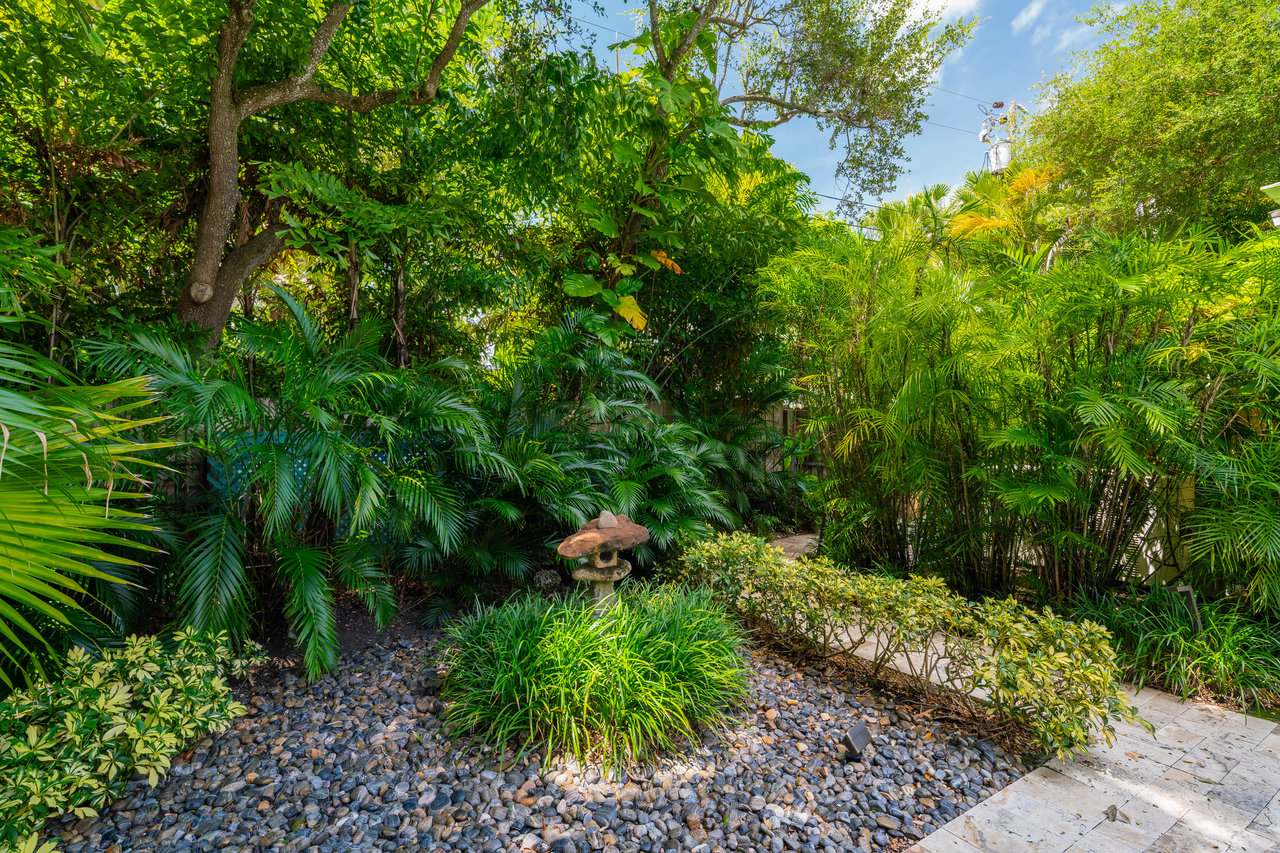
Trees Can Uproot Your Plans
Depending on the species, size, and location, one protected tree can significantly impact:
- renovation plans
- new construction
- pool installations
- driveway expansions
- permitting timelines
- project costs
As Realtors who work extensively throughout Coral Gables, Coconut Grove, Pinecrest, South Miami, and surrounding Miami neighborhoods, we regularly see tree regulations become an important part of the real estate conversation — particularly with older homes, tear-down opportunities, and luxury renovations.
Story Time
Last year, I was working with out-of-town buyers who had two non-negotiables: a Coral Gables location and a pool (or room to add one).
We found a beautiful historic home in South Coral Gables with a large backyard. They loved it, and we were preparing an offer when I noticed something important during our second visit: a massive oak tree occupied the only logical location for a future pool.
"Can't we just relocate the tree?" they asked.
Unfortunately, this wasn't a small tree. It was a mature oak, and relocating it would have been extremely difficult, expensive, and potentially impossible.
After talking it through, they realized that a pool wasn't a "nice to have”, it was essential to how they envisioned enjoying their home. As much as they loved the property, it wasn't the right fit.
The good news? We ultimately found them an off-market Coral Gables home with a pool and spa already in place.
Sometimes the most valuable part of my job isn't helping clients say "yes" to a house. It's helping them recognize when the answer should be "not this one.”
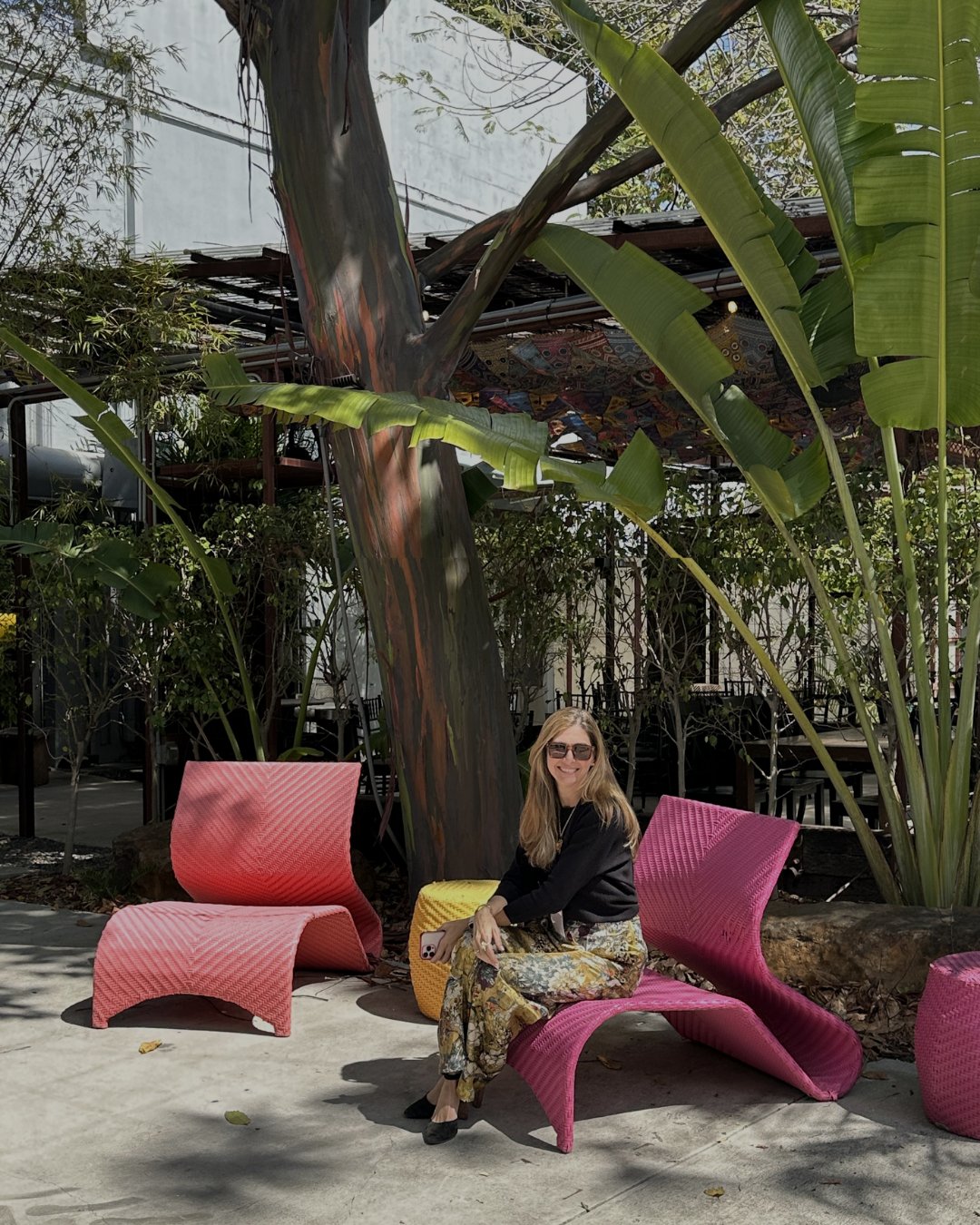
Why Miami Protects Certain Trees
Miami-Dade County and individual municipalities maintain tree protection ordinances to preserve:
- native tree species
- neighborhood canopy coverage
- environmental resilience
- stormwater management
- historic neighborhood character
- urban cooling and shade
In neighborhoods like Coconut Grove and Coral Gables, mature trees are considered part of the architectural and cultural identity of the area.
This is why tree regulations are often stricter in older, canopy-rich neighborhoods.
Common Protected Trees in Miami
Some of the most commonly protected or regulated trees in Miami-Dade include:
Live Oak (Quercus virginiana)
Known for dramatic canopies and longevity, mature live oaks are among the most protected specimen trees in South Florida.
Gumbo Limbo (Bursera simaruba)
Nicknamed the “tourist tree” because of its peeling reddish bark, gumbo limbos are common throughout Miami’s established neighborhoods.
West Indian Mahogany (Swietenia mahagoni)
A prized native hardwood frequently used in luxury landscaping and historic neighborhoods.
Black Olive (Bucida buceras)
Often used as elegant street and estate trees because of their large canopies and graceful structure.
Strangler Fig (Ficus aurea)
These iconic tropical trees can become massive and are environmentally significant within South Florida ecosystems.
Mangroves
Mangroves are protected under separate state and federal environmental laws and require specialized permitting for any removal or trimming.
What Determines Whether a Tree Is Protected?
Tree protection is not based on species alone.
Municipalities typically evaluate:
- tree species
- trunk diameter (DBH)
- tree health
- location on the property
- whether the tree sits within a public swale or right-of-way
- environmental or historic significance
In many cases, even significant pruning may require approval.
Neighborhoods Where Regulations Are Often Stricter
We commonly see more extensive tree oversight in:
- Coral Gables
- Coconut Grove
- Pinecrest
- South Miami
- Miami Beach
- historic districts
- environmentally sensitive areas
This becomes especially important for:
- luxury renovations
- additions
- pool projects
- tear-downs
- new construction homes
How Protected Trees Affect Real Estate
Protected trees can directly impact both buyers and sellers.
We’ve seen mature trees affect:
- architectural feasibility
- construction timelines
- permit approvals
- landscaping plans
- insurance considerations
- buyer budgets
- property valuation
For buyers, understanding these restrictions before closing can prevent expensive surprises later.
For sellers, mature canopy trees can also become a significant marketing asset — particularly in neighborhoods where privacy, shade, and lush landscaping command premium value.
Miami Tree & Permit Resources by Municipality
Because regulations vary by municipality, homeowners should always verify requirements directly with their city before beginning work.
Coral Gables
City of Coral Gables Building Department
405 Biltmore Way, Coral Gables, FL
(305) 460-5235
City of Coral Gables
City of Miami / Coconut Grove
City of Miami Building Department
444 SW 2nd Ave, Miami, FL
(305) 416-1100
City of Miami Tree Permits
Pinecrest
Village of Pinecrest Building & Planning Department
12645 Pinecrest Parkway, Pinecrest, FL
(305) 234-2121
Village of Pinecrest
South Miami
City of South Miami Planning & Zoning Department
6130 Sunset Drive, South Miami, FL
(305) 663-6325
City of South Miami
Miami-Dade County
Miami-Dade Tree Program
(305) 372-6574
Miami-Dade Tree Permits
========
Some of the same things that make Miami’s most desirable neighborhoods feel lush, established, and beautiful are also what make renovations more nuanced.
Understanding local tree regulations is one of those hyperlocal details that national real estate websites rarely explain — but experienced, local professionals encounter regularly.
And in Miami real estate, those details matter.